
Blown film, cast film and sheet extrusion are three major extrusion molding processes for plastic film and sheet production. They have significant differences in process principle, equipment structure, product performance and application scenarios. The systematic comparison based on authoritative public data is as follows:
Core Process Principles
Blown Film
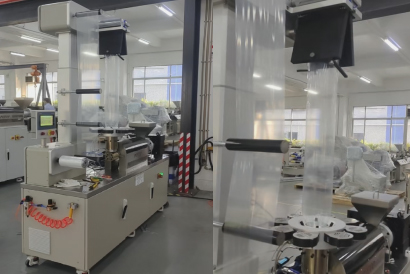
●Molten plastic is extruded into a tubular parison through an annular die, then inflated into a bubble tube by compressed air. It is sized via cooling air ring or water cooling, and finally wound up.
●The finished product is biaxially oriented film, with molecular chains oriented in both machine direction and transverse direction.
Cast Film
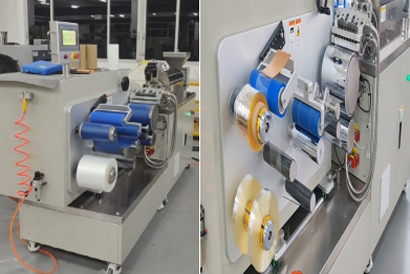
●The melt is extruded through a T-slot flat die and directly cast onto high-speed cooling rolls for rapid cooling and forming.
●It is a flat-extruded film with no stretching or slight unidirectional stretching, featuring low molecular orientation.
Sheet Extrusion
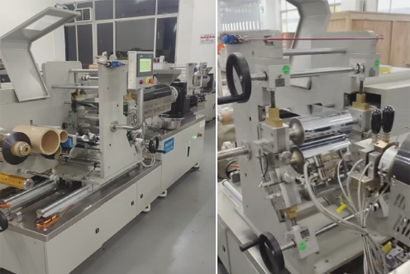
●After being extruded from the die, the melt is calibrated and shaped by multiple sets of cooling rolls to form rigid or semi-rigid sheets with a thickness generally over 0.5 mm.
●It can be further subjected to unidirectional or biaxial stretching (e.g., BOPP, BOPET) to improve mechanical properties.
Typical Application Scenarios
●Blown Film: Food packaging bags, agricultural mulch film, shopping bags and general industrial packaging (cost-sensitive with high toughness requirements).
●Cast Film: High-end food packaging, electronic component trays, medical consumables, optical protective films (requiring high transparency, excellent flatness and low impurity content).
●Sheet Extrusion: Unstretched sheets (PP, PS, etc.): Food containers, blister packaging; Biaxially oriented sheets (BOPP, BOPET, etc.): Labels, adhesive tapes, capacitor films and high-grade packaging.
Thickness Classification Standard
Film: Thickness ≤ 0.25 mm (e.g., blown film, cast film);
Sheet: Thickness > 0.25 mm, generally ranging from 0.5 mm to several millimeters.
In practical production, ultra-thin sheets can also be produced by the cast process (e.g., CPP cast polypropylene sheet with thickness of 0.1–0.5 mm), which is defined as "cast sheet" rather than film.